DIY vs. Professional Fence Installation: Why Hiring an Expert Saves You Time and Money
When homeowners face the challenge of fence installation, they often weigh the pros and cons of DIY versus hiring a professional. Even though the prospect of reducing expenses through a self-managed project is enticing, the potential pitfalls can lead to increased costs and time. Trained specialists offer knowledge and effectiveness, which can be vital in managing complex installation challenges. This raises an important question: What true value does selecting expert installation provide?
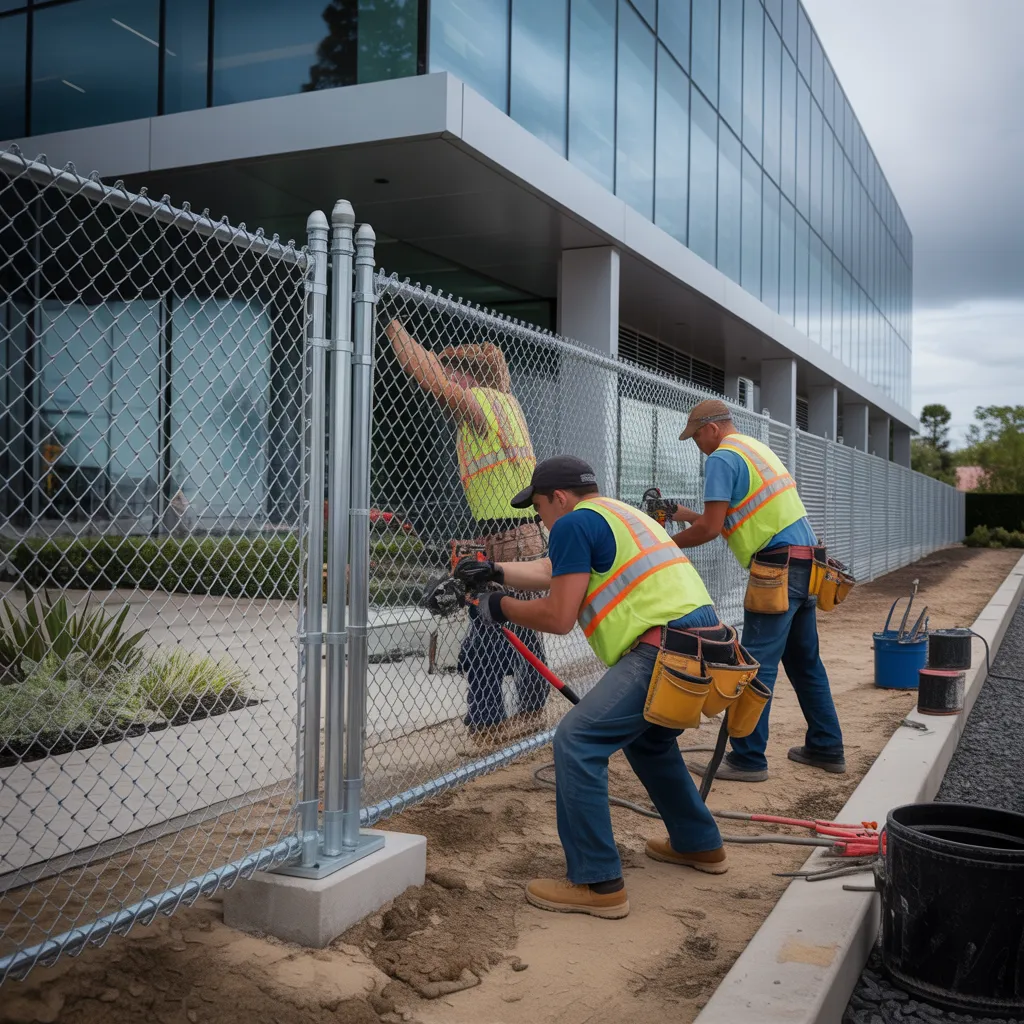
The Perks of Professional Fence Installation
Though some homeowners choose to take a DIY approach to fence installation, the benefits of hiring professional installers frequently outweigh the upfront cost. Skilled installers provide expertise that ensures the fence is constructed correctly and effectively. They possess specialized tools and equipment, which minimizes the risk of errors and enhances overall quality. Additionally, their experience allows them to navigate challenges such as uneven terrain or local regulations, which can complicate DIY efforts.
Moreover, engaging professional installers often results in reduced completion schedules, sparing homeowners from the stress of time-consuming installations. Expert contractors also offer warranties covering their services, delivering reassurance pertaining to structural integrity and upkeep. Such guarantees help alleviate worries regarding future complications that could develop from incorrect installation practices. Overall, the benefits of professional fence installation involve superior craftsmanship, efficient completion, and enduring reliability, making it a wise decision for countless homeowners.
What Does Professional Installation Cost?
The expense of professional fence installation can vary greatly based on several factors, such as materials, labor, and site conditions. Understanding these influences is important for homeowners who are considering this option. Furthermore, assessing the long-term value may help determine if the investment is suited to long-term needs and property improvement.
Variables Impacting Installation Cost
Several considerations affect the full price of professional fence installation, highlighting the need for homeowners to know what drives these costs. The type of materials selected—such as wood, vinyl, or metal—significantly impacts the overall cost. Furthermore, the height and length of the fence are important factors; more extensive installations come with greater expenses. Labor costs also change based on the intricacy of the job and regional labor costs. Environmental conditions, such as terrain and accessibility, can add to the overall expense, as extra preparation or equipment might be needed. Finally, any applicable permits or regulatory inspections must be considered, adding to the total expense. Knowing these key considerations empowers homeowners to approach their fencing projects with confidence.
Long-Term Value Considerations
Comprehending the expenses connected to professional fence installation extends beyond the initial expenses. While the initial fees might appear higher compared to DIY options, the extended value frequently warrants the investment. Professionals bring expertise that secures proper installation, which can decrease the need for costly repairs and maintenance over time. Additionally, a expertly installed fence can boost property value and curb appeal, potentially providing a return on investment when listing a property for sale. The resilience of professionally installed materials typically outperforms DIY alternatives, minimizing future replacement costs. Ultimately, hiring an expert can lead to significant savings and peace of mind, making the initial expenditure worthwhile in the context of long-term benefits.
Common Challenges of DIY Fence Projects
Embarking on a DIY fence project can readily expose a host of unexpected challenges. Homebuilders often underestimate the difficulty of careful planning, including property boundary reviews and obtaining necessary permits. Without a thorough land survey, they run the risk of crossing into neighbors' land or failing to comply with local rules.
Additionally, picking the appropriate materials and equipment can be overwhelming. Inexperience may contribute to buying unsuitable materials or misjudging amounts, resulting in additional expenses and setbacks. Appropriate installation techniques are essential; poor alignment or shallow post depth can weaken the fence's durability and effectiveness.
Moreover, most DIY homeowners underestimate the impact of weather-related delays, which can halt the project. Demanding manual labor, such as trenching post holes or transporting bulky components, can also deter even the most motivated individuals. These challenges highlight the complexities involved in DIY fence projects, prompting many to reconsider the value of professional expertise.
The Way Professionals Help You Save Time
When evaluating fence installation, skilled specialists offer significant time savings compared to DIY attempts. Their proficiency in planning and executing projects promises more rapid finishing and limits delays. This professional efficiency permits homeowners to benefit from their new fencing without the extended wait typically attributed to self-installation.
Accelerated Project Completion
Bringing in professional installers greatly expedites the fence installation process. Professionals come equipped with specialized tools and expertise, allowing them to complete projects more quickly than most DIY enthusiasts. While a homeowner might take days or even weeks to finish installation, experts typically complete the work in just hours or days, according to the scale of the installation. Their familiarity with various materials and techniques enables them to overcome challenges efficiently, reducing setbacks. Moreover, professional teams usually collaborate effectively, distributing duties to boost overall productivity. This not only accelerates the installation but also decreases the chance of mistakes that could extend the timeline. Ultimately, hiring professionals guarantees a timely completion, enabling homeowners to benefit from their new fence more quickly.
Professional Planning and Implementation
While many homeowners may underestimate the importance of thorough planning, skilled fence professionals know that detailed preparation is critical to achieving a successful fence installation. Professionals start with a thorough evaluation of the property, considering factors such as terrain, soil type, and local regulations. This comprehensive method ensures that all required materials are obtained and that the layout corresponds with the homeowner's expectations while complying with regulatory standards.
Additionally, experienced specialists apply advanced techniques and tools, simplifying the overall installation. Their knowledge positions them to predict complications and tackle them ahead of time, preventing unnecessary slowdowns. Through strategic planning and effective team coordination, professionals not only save time but also minimize costly mistakes that can arise from a lack of planning. Ultimately, thorough planning and expert execution deliver a refined, more effective installation.
How Skilled Experts Deal With Local Regulations
Managing local regulations can be an intimidating task for homeowners, but experts expert advice thrive in this area. Experienced fence installation experts possess comprehensive understanding of zoning requirements, building codes, and permit requirements tailored to each region. They remain informed about shifts in local codes, ensuring conformity that non-professionals could neglect.
Additionally, skilled contractors often have well-developed ties with municipal officials, which can expedite the approval process. Such familiarity empowers them to navigate any likely challenges effectively, decreasing interruptions that could arise from misconceptions of local rules.
Additionally, specialists can guide homeowners toward suitable materials and styles that comply with local regulations, lowering the chances of future violations or forced modifications. By drawing on their experience, experts simplify the installation procedure, saving homeowners from the stress and potential pitfalls of regulatory compliance. Ultimately, hiring an expert not only guarantees adherence to legal standards but also enhances the overall efficiency of the project.
Why Skilled Installation Secures Quality and Long-Lasting Results
Navigating local regulations is only part of ensuring a successful fence installation; the quality of workmanship plays a crucial role in the fence's longevity. Experienced installers bring a wealth of experience, applying techniques that ascertain proper depth, alignment, and stability of fence posts. Their expertise minimizes common installation challenges, such as shifting or leaning, which can weaken a fence's structural integrity over time.
Furthermore, skilled technicians use high-quality components, recognizing the complexities of various fencing types and how they respond to natural elements. This knowledge works to prevent premature deterioration and harm, increasing the lifespan of the fence.
In addition, professional implementation commonly features proper sealing and completion processes that boost resistance to the elements. By opting for professional services, property owners can feel confident that their fence will exceed as well as meet appearance requirements but also endure for years to come, giving homeowners peace of mind and minimizing the requirement for frequent repairs.
Lasting Benefits of Expert Fence Installation
Investing in expert fence installation delivers substantial long-term value that often outweighs initial costs. Skilled professionals offer specialized skills, guaranteeing the fence is properly installed, which decreases the risk of future repairs. A expertly installed fence can endure environmental challenges, extending its lifespan significantly compared to do-it-yourself attempts that may compromise structural integrity.
Additionally, employing a professional often enhances home value. A properly installed fence not only improves aesthetics but also boosts the overall curb appeal, making the home more enticing to interested buyers. This becomes especially critical in real estate environments where curb appeal drives decisions.
Additionally, expert installers frequently offer service guarantees, offering peace of mind that DIY projects usually fail to provide. This defense against structural flaws or harm helps homeowners avoid unexpected costs in the future. All things considered, the sustained commitment to skilled professional work yields significant rewards, in both economic value and in maintaining a property's integrity.
Common Questions and Answers
Can I Put Up a Fence on My Own if I Have No Experience?
Yes, it is possible to install a fence without experience, but doing so may cause challenges and mistakes. Research, planning, and patience are essential, though consulting a professional can ensure a more dependable and effective outcome.
What Tools Do You Need for DIY Fence Installation?
To install a fence, the necessary tools consist of a post hole digger, measuring tape, level, hammer, saw, concrete mix, fence panels, and safety equipment. Having these tools ensures a proper installation while improving overall efficiency throughout the process.
How Can I Select the Best Fence Material?
Picking the ideal fence material requires assessing longevity, maintenance, visual appeal, and affordability. Common options include vinyl, wood, metal, and composite. Assessing each material's strengths and weaknesses enables you to make a well-informed choice that fits unique circumstances.
What Maintenance Is Required for Fences After Installation?
Fences need consistent care, which includes washing, examining for damage, and adding protective treatments. Timber fences benefit greatly from protective sealing and staining, while metal options may need rust prevention treatment. Routine care extends the life of your fence and keeps it looking its best.
What Steps Can I Take to Keep My Fence Level and Straight?
To make sure a fence is level and straight, one should use a long level or string line to guide the installation. Consistently check the alignment during installation, adjusting posts as necessary to maintain consistency throughout the process.